
0

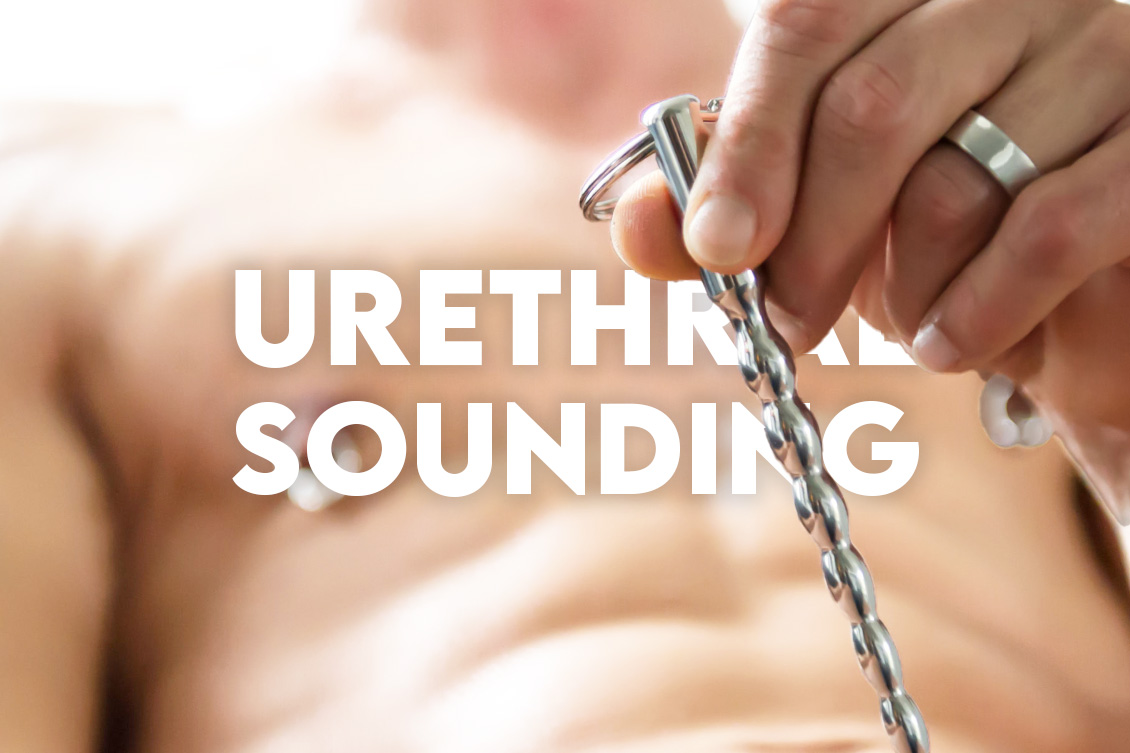
Should You Try Urethral Sounding?
Introduction to Urethral Sounding
Urethral sounding is a practice that has gained attention in recent years but remains relatively unknown to many. It involves inserting objects into the urethra for sexual pleasure or medical purposes. While it may sound daunting or even dangerous to some, it’s a practice that has been around for centuries and has its own set of enthusiasts.
What is Urethral Sounding?
Urethral sounding, also known as urethral play or urethral insertions, is the act of inserting objects into the urethra. These objects can vary in size, shape, and material, ranging from specialized medical devices to improvised household items.
The goal of urethral sounding is typically to stimulate the sensitive nerves inside the urethra for sexual pleasure.

History of Urethral Sounding
The practice of urethral sounding has roots dating back to ancient civilizations, where it was sometimes used for medical purposes such as unblocking the urinary tract. Over time, it evolved into a sexual practice, with mentions of it appearing in historical texts and artwork from various cultures.
Why People Try Urethral Sounding?
People try urethral sounding for a variety of reasons. For some, it’s a way to explore new sensations and enhance sexual pleasure. Others may be drawn to the taboo nature of the practice or find it appealing as a form of BDSM play. Additionally, some individuals may use urethral sounding as a means of self-discovery or to challenge their own boundaries.

Risks and Safety Considerations
While urethral sounding can be enjoyable for some, it’s important to acknowledge the potential risks involved. Inserting objects into the urethra carries the risk of infection, injury, and other complications. It’s crucial to approach urethral sounding with caution and take steps to minimize these risks.
How to Try Urethral Sounding Safely
If you’re considering trying urethral sounding, there are several steps you can take to do so safely. These include using proper lubrication, sterilizing equipment, and starting with smaller objects to avoid injury. It’s also essential to listen to your body and stop immediately if you experience any discomfort or pain.
Equipment Needed for Urethral Sounding
To try urethral sounding, you’ll need the right equipment. This typically includes specialized urethral sounds or probes, sterile lubricant, and disinfectant for cleaning. Investing in high-quality, medical-grade equipment is essential to reduce the risk of complications.

Step-by-Step Guide to Urethral Sounding
- Prepare: Gather all necessary equipment and ensure it’s clean and sterile.
- Apply Lubricant: Coat the tip of the sound and the opening of the urethra with a generous amount of sterile lubricant.
- Insert the Sound: Gently insert the sound into the urethra, taking care not to force it.
- Explore Sensations: Once inserted, you can slowly move the sound in and out or experiment with different angles to explore different sensations.
- Clean Up: After you’re finished, thoroughly clean and disinfect the equipment to prevent infections.
Tips for Beginners
- Start small and gradually work your way up to larger sizes.
- Communicate openly with your partner if engaging in urethral sounding as part of sexual play.
- Listen to your body and stop if you experience any discomfort or pain.
- Seek advice from experienced practitioners or medical professionals if you have any concerns.
Common Misconceptions About Urethral Sounding
Despite its growing popularity, urethral sounding is still surrounded by misconceptions. One common misconception is that it’s extremely painful or dangerous. While there are risks involved, with proper precautions and technique, many people find urethral sounding to be a pleasurable and safe experience.
Alternatives to Urethral Sounding
If urethral sounding doesn’t appeal to you or if you’re hesitant to try it, there are plenty of other ways to explore sexual pleasure and experimentation. From traditional forms of stimulation to more unconventional practices, there’s no shortage of options to suit every preference and comfort level.
Conclusion
Urethral sounding is a practice that can offer unique sensations and experiences for those willing to explore it. However, it’s not without its risks, and it’s essential to approach it with caution and respect for your body. By following safety guidelines and listening to your own boundaries, urethral sounding can be a fulfilling and enjoyable aspect of sexual exploration for some individuals.
FAQs:
1. Is urethral sounding painful? While some people may find urethral sounding uncomfortable at first, with proper technique and preparation, it shouldn’t be excessively painful. It’s essential to start slowly and listen to your body’s signals.
2. Can anyone try urethral sounding? Urethral sounding is not suitable for everyone and may not be enjoyable or safe for individuals with certain medical conditions. It’s crucial to consult with a healthcare professional before attempting urethral sounding, especially if you have any underlying health concerns.
3. How do I know if urethral sounding is right for me? Deciding whether to try urethral sounding is a personal choice that depends on individual preferences, comfort levels, and risk tolerance. It’s essential to educate yourself about the practice, consider the potential risks and benefits, and listen to your own instincts before making a decision.
4. What should I do if I experience pain or discomfort during urethral sounding? If you experience pain or discomfort during urethral sounding, it’s important to stop immediately and remove the object. Take a break, and if the discomfort persists or worsens, seek medical attention.
5. Are there any long-term effects of urethral sounding? While occasional urethral sounding done correctly and safely is unlikely to cause long-term harm, frequent or improper use can lead to complications such as urinary tract infections, urethral strictures, and damage to the urinary tract. It’s crucial to use caution and moderation when engaging in urethral sounding.